|
| HOME | PROTECTION | NATURE | PLAN YOUR VISIT | FAQ | JOIN/DONATE | ABOUT |
| Invertebrates in Douglas-Fir National Monument |
All flying insects are in global decline, due to pesticide use, habitat loss, and climate change. Insecticides are a leading cause of butterfly decline in many regions of the U.S. |
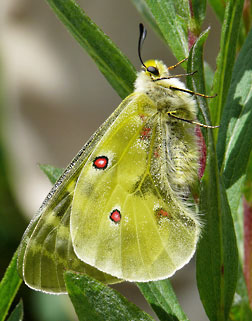
Clodius parnassian butterfly
Photo: Tanya Harvey |
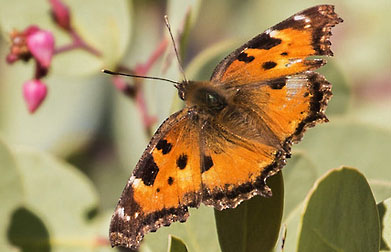
California tortoiseshell butterfly
Photo: John Cox In 2025 this beautiful butterfly emerged in large numbers in the Oregon Cascades |
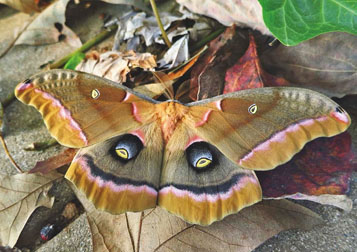
Polyphemus moth
Photo: Wikipedia |
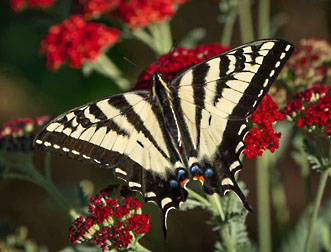
Pale swallowtail butterfly
Photo: Tara Lemezis |
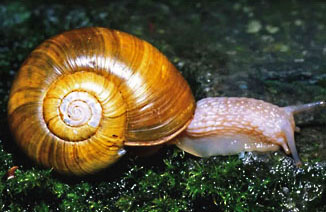
Robust lancetooth snail
Photo: Wild Columbia |
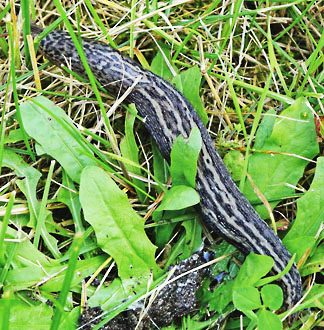
Leapord slug
Photo: plantsam |
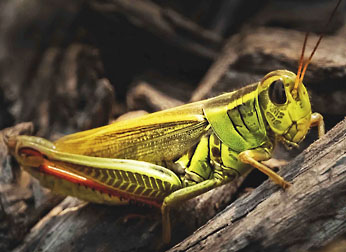
Two-striped grasshopper
Photo: Scott/BirdWatchingHQ |
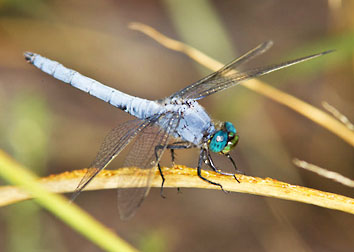
Western pondhawk dragonfly
Photo: EverydayEarth |
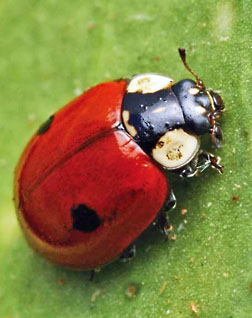
Two-spotted lady beetle
Photo: Tualatin Hills Nature Park |
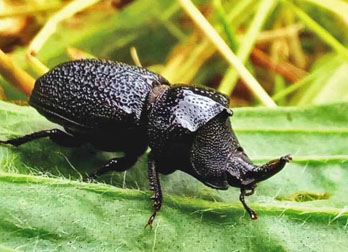
Rugose stag beetle
Photo: River Ritcey/The Spokesman-Review |
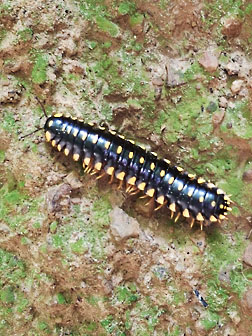
Yellow spotted millipede
Photo: Steve Danley |
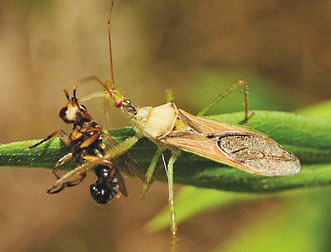
Assassin bug
Photo: Douglas William Wolfe |
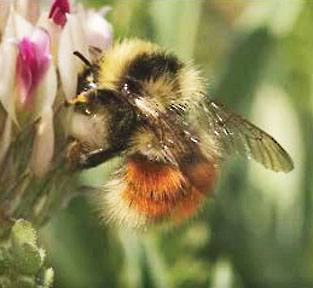
Forest bumblebee
Photo: Bumblebees of Washington State |
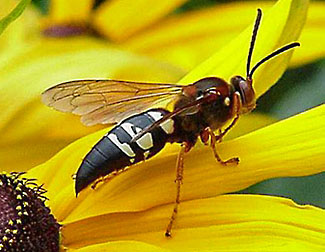
Cicada killer wasp
Photo: Purdue University |
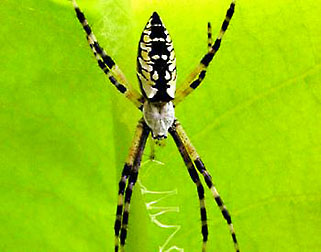
Yellow garden spider
Photo: JK Barnes |
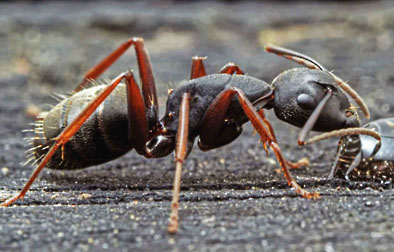
Western Black carpenter ant
Photo: Scott/BirdWatchingHQ |
| Return to Nature |